Why Grow Paeonia Rockii from Seeds?
Growing Paeonia rockii from seeds offers several advantages:
- Strong and deep root systems.
- Excellent cold and drought resistance.
- Longer lifespan than grafted plants.
- Suitable for breeding new cultivars.
- Ideal for landscape projects and nursery production.
Unlike grafted tree peonies, seed-grown plants develop naturally and can adapt well to different growing environments.
When to Harvest Paeonia Rockii Seeds?
The best time to harvest seeds is usually from late August to mid-September when:
- Seed pods begin to crack naturally.
- Seeds turn dark brown or black.
- Seeds are firm and fully mature.
Freshly harvested seeds have the highest germination rate and should be planted as soon as possible.
Why Fresh Seeds Are Important
Paeonia rockii seeds lose moisture quickly after harvesting. If they become overly dry, germination rates will decrease significantly.
Fresh seeds provide:
- Higher germination rates
- Faster root development
- Better seedling vigor
For export or storage, seeds should be kept slightly moist and stored in a cool environment.
Seed Preparation Before Planting
Before sowing, it is recommended to:
- Remove damaged or immature seeds.
- Soak seeds in clean water for 24 hours.
- Discard floating seeds.
- Treat seeds with a mild fungicide if necessary.
- Prepare loose and well-drained growing media.
Healthy seeds are usually full, heavy, and sink in water.
Best Time for Seed Sowing
Autumn is the ideal sowing season.
Recommended planting time:
| Region | Sowing Time |
| China | September – October |
| Europe | September – November |
| United States | September – November |
| Temperate Regions | Early Autumn |
Autumn sowing allows seeds to undergo natural temperature changes that are essential for germination.
How to Plant Paeonia Rockii Seeds
Follow these simple steps:
Step 1: Prepare the Soil
The growing medium should be:
- Loose
- Fertile
- Well-drained
- Slightly alkaline or neutral
Recommended mix:
- Garden soil 50%
- River sand 30%
- Organic compost 20%
Step 2: Sow the Seeds
- Plant depth: 3–5 cm.
- Seed spacing: 8–10 cm.
- Cover lightly with soil.
- Water thoroughly after planting.
Step 3: Maintain Soil Moisture
Keep the soil:
- Slightly moist
- Never waterlogged
Excessive moisture may cause seed rot.
Understanding Double Dormancy
Tree peony seeds have a unique characteristic called double dormancy.
They require two stages before producing seedlings:
Root Development Stage
- Autumn to early winter.
- Roots develop underground first.
Shoot Emergence Stage
- Spring of the following year.
- Shoots emerge after experiencing winter chilling.
This is completely normal and should not be mistaken for failed germination.
Germination Timeline
| Growth Stage | Time |
| Seed sowing | September |
| Root emergence | October-November |
| Winter dormancy | December-February |
| Shoot emergence | March-April |
| First true leaves | Spring |
| Young seedling stage | First growing season |
| Flowering | Usually 4-6 years |
Growing Paeonia rockii from seed requires patience, but the results are highly rewarding.
Seedling Care Tips
During the first year:
Watering
- Keep soil slightly moist.
- Avoid overwatering.
Sunlight
- Provide morning sun or partial shade.
- Protect seedlings from intense summer heat.
Fertilization
Use light applications of:
- Organic fertilizer
- Slow-release fertilizer
Avoid heavy nitrogen fertilization.
Disease Prevention
Monitor for:
- Root rot
- Damping-off disease
- Excess moisture problems
Good air circulation is essential for healthy seedlings.
Can Paeonia Rockii Be Grown Internationally?
Seed-grown Paeonia rockii performs well in many temperate regions, including:
- United States
- Canada
- United Kingdom
- Germany
- France
- Netherlands
- Poland
- Australia (cool regions)
- New Zealand
- Japan
- South Korea
The species is particularly well suited to climates that experience cold winters.
Final Thoughts
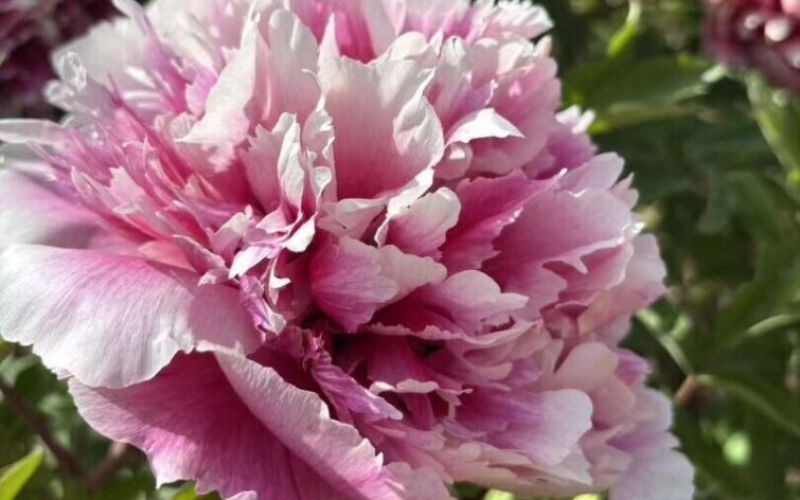
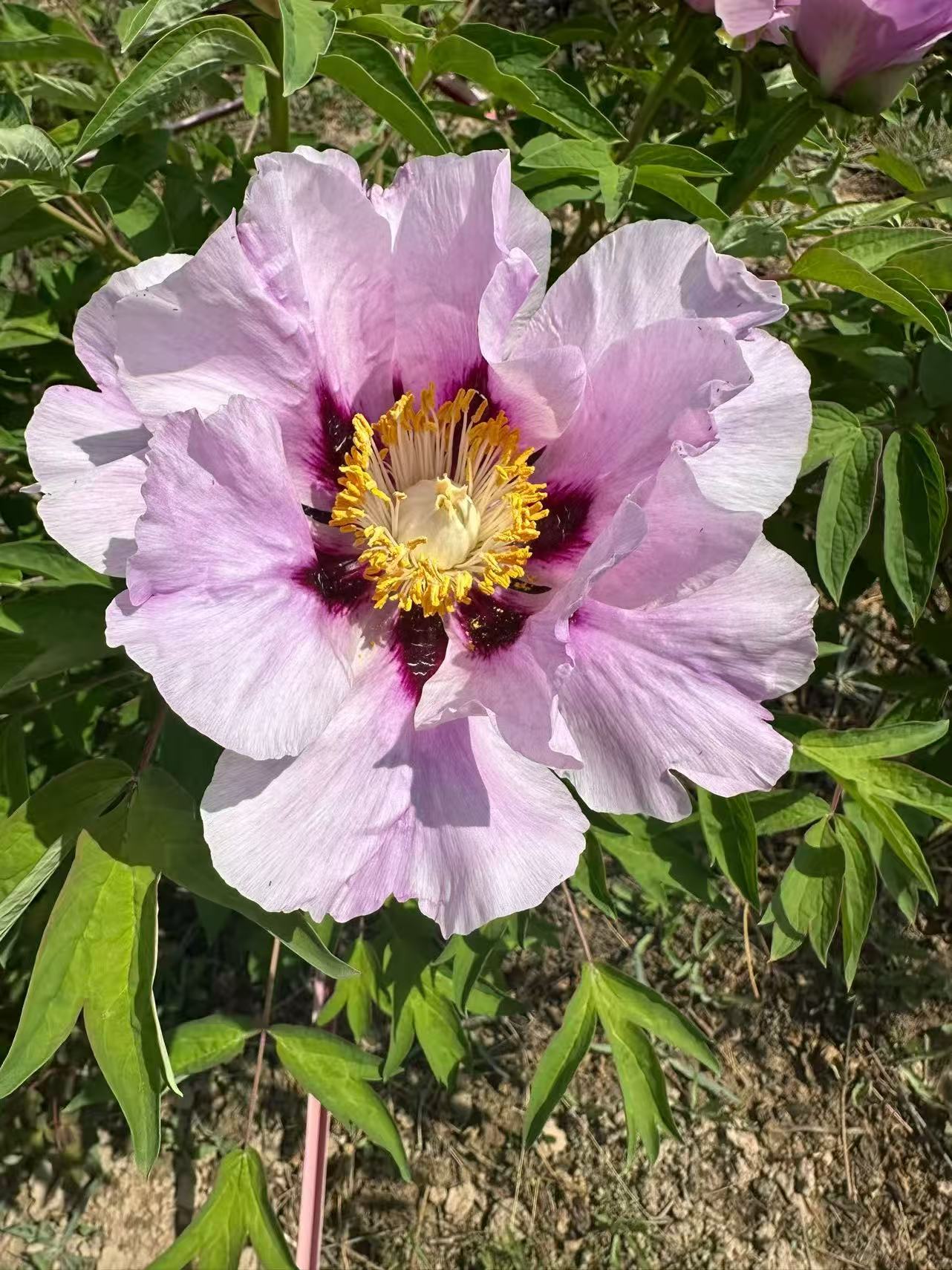
Growing Paeonia rockii from seed is one of the most rewarding ways to cultivate this extraordinary tree peony. Although seedlings require time and patience, they develop exceptional vigor, longevity, and adaptability. By sowing fresh seeds in autumn and understanding their natural dormancy cycle, gardeners and nurseries can successfully produce healthy and beautiful purple-spotted tree peony plants for generations to come.