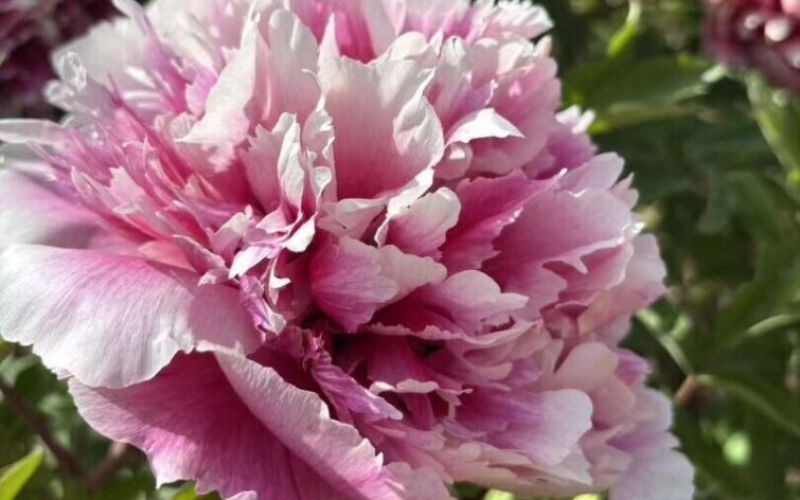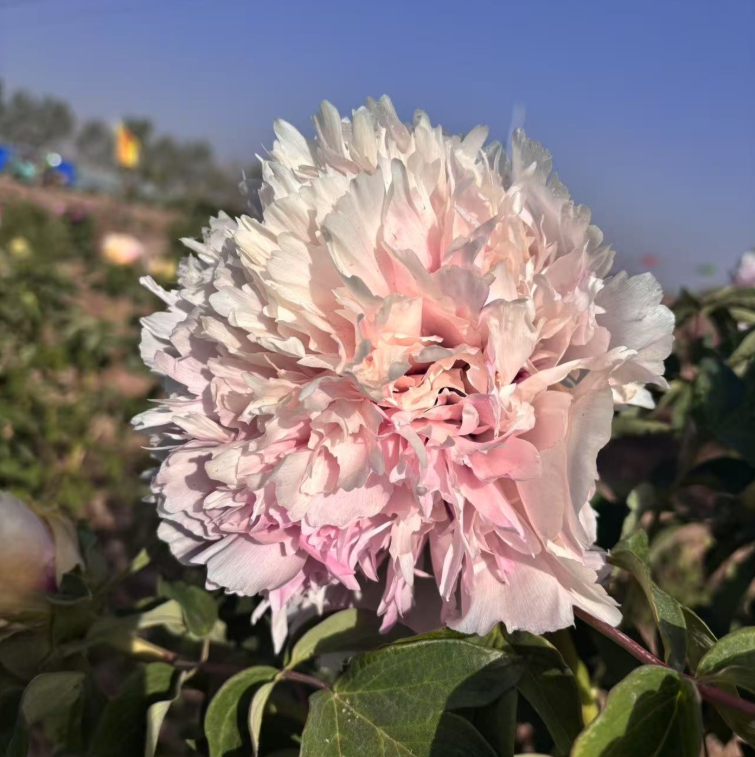
Tree peonies and herbaceous peonies both belong to the Paeonia genus and are admired for their spectacular flowers and long lifespan. Because of their similar blooms, many gardeners assume they are the same plant. In reality, they have significant differences in their growth habits, stems, roots, flowering time, and maintenance.
If you are planning to grow peonies or purchase them for your garden, understanding these differences will help you choose the right plant.
1. Growth Habit
The most important difference is their growth form.
Tree peonies are deciduous woody shrubs. Their woody stems remain above ground throughout winter, and new shoots develop from these existing branches each spring.
Herbaceous peonies, on the other hand, are perennial plants. Their stems die back completely every autumn, and new growth emerges from underground buds the following spring.
Simply put:
- Tree peonies have permanent woody stems.
- Herbaceous peonies die back to the ground every winter.
2. Stems
Tree Peonies
- Woody branches remain year after year.
- Plants gradually develop into large shrubs.
- Mature plants typically grow 1–2 meters (3–6 feet) tall.
Herbaceous Peonies
- Soft green stems.
- Stems completely disappear during winter.
- Mature plants usually reach 60–100 cm (2–3 feet) in height.
The presence of woody stems is the easiest way to distinguish a tree peony from a herbaceous peony.
3. Leaves
Tree peonies generally have:
- Larger leaflets
- Thicker foliage
- Dark green leaves with a slightly glossy appearance
Herbaceous peonies usually have:
- Finer, softer foliage
- Narrower leaf segments
- Lighter green leaves
As the plants mature, these differences become even more noticeable.
4. Flowers
Both produce large, beautiful flowers, but there are several distinctions.
Tree Peonies
- Flowers can reach 15–30 cm (6–12 inches) in diameter.
- Wide range of flower forms, including single, semi-double, and double blooms.
- Strong, pleasant fragrance in many varieties.
- Blooms often appear more dramatic and elegant.
One of the most remarkable species is Paeonia rockii, also known as the Rock’s Tree Peony. It is famous for its large fragrant flowers with distinctive dark purple blotches at the base of each petal, making it one of the most recognizable tree peonies in the world.
Herbaceous Peonies
- Flowers are generally 10–20 cm (4–8 inches) across.
- Bloom form is often more symmetrical.
- Fragrance varies depending on the cultivar.
- Widely grown as cut flowers.
5. Bloom Time
In most temperate regions:
Tree Peonies
- Bloom in mid to late spring.
- Usually flower one to two weeks earlier than herbaceous peonies.
Herbaceous Peonies
- Bloom from late spring to early summer.
- Extend the peony flowering season after tree peonies have finished.
Many gardeners plant both types together to enjoy a longer display of blooms.
6. Root System
Tree peonies develop:
- Thick, woody roots
- Long-lived root systems
- Excellent drought tolerance once established
Herbaceous peonies develop:
- Fleshy storage roots
- Softer underground structures
- Vigorous annual growth from dormant buds
These differences also affect transplanting and propagation methods.
7. Care Requirements
Although both plants prefer similar growing conditions, there are some differences.
Sunlight
Both enjoy full sun to partial shade. In regions with very hot summers, light afternoon shade helps protect foliage from heat stress.
Soil
Both grow best in:
- Well-drained soil
- Fertile, organic-rich soil
- Slightly acidic to neutral pH
Watering
Neither plant tolerates waterlogged soil.
Tree peonies are generally more drought tolerant, while herbaceous peonies benefit from consistent moisture during active growth.
Pruning
Tree peonies should only be lightly pruned to remove dead, damaged, or weak branches while preserving the woody framework.
Herbaceous peonies should be cut back to ground level after the foliage dies in autumn.
8. Landscape Uses
Tree Peonies
Ideal for:
- Landscape gardens
- Courtyards
- Botanical collections
- Luxury garden designs
- Long-term ornamental planting
Herbaceous Peonies
Popular for:
- Perennial borders
- Cottage gardens
- Cut flower production
- Mixed flower beds
Because of their long vase life, herbaceous peonies are widely used in the floral industry.
How to Tell Them Apart at a Glance
| Feature | Tree Peony | Herbaceous Peony |
|---|---|---|
| Plant Type | Woody shrub | Herbaceous perennial |
| Winter Growth | Woody stems remain | Dies back completely |
| Height | 1–2 m (3–6 ft) | 60–100 cm (2–3 ft) |
| Root System | Woody roots | Fleshy storage roots |
| Bloom Time | Earlier | Later |
| Pruning | Preserve woody stems | Cut to ground in autumn |
| Lifespan | Several decades to over 100 years | Several decades |
Frequently Asked Questions
Can tree peonies and herbaceous peonies be planted together?
Yes. They have similar soil and sunlight requirements and bloom at different times, creating a longer flowering season in the garden.
Which is more cold hardy?
Both are highly cold tolerant. Paeonia rockii, native to the mountainous regions of Gansu Province in China, is especially valued for its exceptional winter hardiness and ability to thrive in temperate climates.
Which one is better for home gardens?
If you want a long-lived ornamental shrub with spectacular spring flowers, a tree peony is an excellent choice. If you prefer perennial borders or cut flowers, herbaceous peonies are equally rewarding.
Conclusion
Although tree peonies and herbaceous peonies belong to the same Paeonia genus, they differ greatly in structure, growth habit, and care. Tree peonies are woody shrubs that provide decades of beauty and become more impressive with age, while herbaceous peonies are perennial plants that die back each winter and return every spring.
Among tree peonies, Paeonia rockii stands out for its extraordinary fragrance, distinctive purple petal blotches, exceptional cold hardiness, and remarkable longevity. Native to Gansu, China, it represents one of the finest tree peony species and continues to captivate gardeners and collectors around the world.