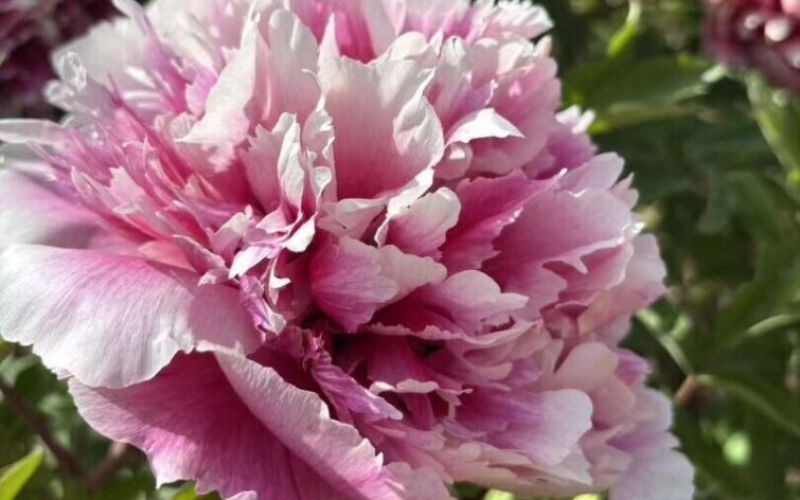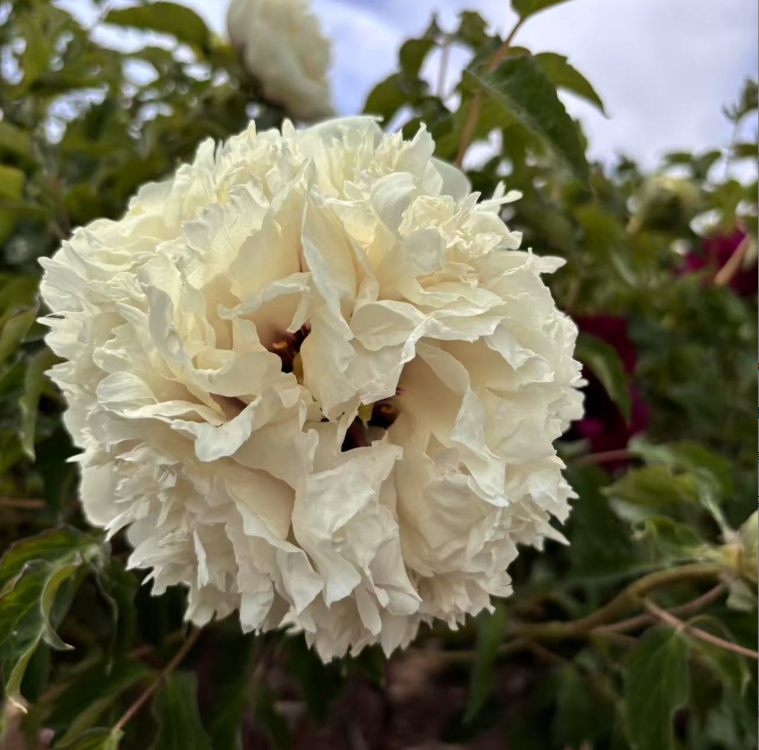
The rockii tree Peony (Paeonia rockii) is one of the most cold-resistant tree peony species in the world. Native to the mountainous regions of northwestern China, this beautiful flowering plant can survive harsh winters and freezing temperatures that challenge many other ornamental plants. Its exceptional cold tolerance makes it a popular choice for gardeners and landscapers in colder climates.
Native Habitat Shapes Exceptional Cold Tolerance
One of the main reasons for the remarkable cold resistance of the rockii tree Peony is its natural habitat. The species originates from high-altitude areas in Gansu, Shaanxi, and surrounding regions of China, where winters are long, dry, and extremely cold. Over thousands of years, natural selection has enabled Paeonia rockii to develop strong genetic adaptations that allow it to thrive in freezing conditions.
Winter Dormancy Protects the Plant
Like many hardy perennial plants, the rockii tree Peony enters a deep dormancy period during winter. As temperatures decrease, the plant slows its metabolic processes and conserves energy. Dormancy helps protect sensitive tissues from frost damage and ensures healthy growth when temperatures rise in spring.
The flower buds are covered with protective scales that act as natural insulation, shielding developing tissues from extreme cold and reducing moisture loss.
Deep Root System Enhances Winter Survival
Another important factor behind the cold tolerance of the rockii tree Peony is its extensive root system. Deep and vigorous roots enable the plant to access water and nutrients from lower soil layers, even when surface conditions become unfavorable.
A strong root network also helps stabilize the plant during temperature fluctuations and supports rapid recovery after winter.
Natural Antifreeze Compounds Prevent Cell Damage
The cells of Paeonia rockii contain soluble sugars, proteins, and other protective compounds that function as natural antifreeze agents. These substances lower the freezing point of cellular fluids and reduce the formation of damaging ice crystals inside plant tissues.
As a result, the rockii tree Peony can withstand severe frost while maintaining healthy cellular structures.
Woody Stems Provide Additional Protection
Unlike herbaceous peonies, the rockii tree Peony develops strong woody stems that offer extra protection against winter stress. The woody framework helps insulate internal tissues and increases the plant’s ability to survive sudden temperature drops, strong winds, and snow.
Why Gardeners Choose rockii tree Peony
Because of its outstanding cold hardiness, the rockii tree Peony is widely cultivated in regions with cold winters. Gardeners appreciate its ability to:
Enhance landscapes with long-lasting ornamental value
Conclusion
The exceptional cold resistance of the Purple-Spotted Peony results from a combination of genetic adaptation, winter dormancy, deep root development, natural antifreeze compounds, and sturdy woody stems. These characteristics make Paeonia rockii one of the most winter-hardy tree peony species and an excellent choice for cold-climate gardens worldwide.
Whether you are a gardener, horticulturist, or peony enthusiast, understanding the cold-tolerance mechanisms of the Purple-Spotted Peony highlights why this remarkable Chinese tree peony continues to gain popularity across the globe.
Survive freezing temperatures below -30°C (-22°F)
Produce large, fragrant flowers in spring
Adapt to diverse soil and climate conditions
Require relatively low maintenance once established